

Managing your reputation as a small business owner isn’t something you do once in a while, or only when there’s a problem. It’s an ongoing commitment. But honestly, if you’re like most owners we work with at Novah Media, the idea of adding “reputation management” to your endless list of weekly tasks can feel overwhelming—until you have the right Standard Operating Procedure (SOP). We built this routine based on what actually works for busy, resource-strapped businesses, and what we’ve learned managing reputation for clients across industries. Here’s a systematic, straightforward weekly routine you can rely on to generate more reviews, handle complaints calmly, and protect the reputation you’ve worked so hard to build.
Why a Reputation SOP Should Be Non-Negotiable
We see it every week: online reputation is now part of your brand DNA. Positive reviews attract new customers, negative ones can tank your visibility and trust. Most small businesses end up being reactive—jumping into action when they get a bad review, then forgetting about reputation management as soon as the crisis passes. If you’re committed to growth and want fewer headaches, you need a proactive, repeatable process. That’s the value of an SOP—it turns chaos into a checklist and stress into structure.

Step 1: Audit and Claim Your Online Presence
You can’t manage what you don’t control. Start by making a simple master list of every place your business appears online. At a minimum, check:
- Google Business Profile (formerly Google My Business)
- Yelp
- Facebook Business Page
- Industry-specific review sites
- LinkedIn Company Page
- Better Business Bureau (if relevant)
Claim these listings, ensure info (name, address, phone, description, hours) is consistent and up-to-date, and fix any outdated content. This is the foundation that makes every future effort more effective, including SEO improvements. Take a screenshot of what you find—this is your baseline for the rest of the year.
Tip:
Even if you’re just starting out, setting up Google Alerts for your business name and a few key phrases lets you quickly spot new mentions. Free tools are usually enough at this stage.
Step 2: Build Response Templates For Efficiency
When emotions run high, having a response template saves time and ensures you never respond defensively. Here are a few categories you should always prep:
- Acknowledging complaints: Thank the customer for their feedback and commit to follow up.
- Apologies and make-goods: Apologize, clarify next steps, and invite offline conversation if needed.
- Thanking positive reviews: Personalize responses and encourage return business.
- Correcting misinformation: Calmly provide your side and invite further discussion privately.
Store these templates in a Google Doc or shared folder where you and your team can access and personalize as needed.
Step 3: Assign Weekly Roles
Even if you’re a team of one, roles make the work manageable. Decide who will:
- Monitor reviews and mentions (daily)
- Draft responses (using the templates you made)
- Approve public replies (if your business has more than one person overseeing reputation)
- Escalate serious issues to the owner or specialist
Write these assignments down. Accountability means nothing gets missed because everyone knows their responsibility.
Step 4: Establish Your Weekly Reputation Routine
Most businesses can stay on top of reputation management in 30–45 minutes a week. Here’s a structure we use and recommend:
| Day | Task | Time |
|---|---|---|
| Monday | Review all alerts, new reviews, and feedback from past week; flag items for response | 10 min |
| Tuesday – Thursday | Quick-daily check of main review and social channels; respond within 2 hours | 5 min/day |
| Wednesday | Respond thoughtfully to all new reviews (good and bad) | 15 min |
| Friday | Send 3–5 personal review requests to satisfied customers with review links | 10 min |
| End of Week | Update a simple metrics tracker: reviews received, average rating, issues closed | 5 min |
Consistency is where real improvement happens. If you want more ideas on tracking what matters, check out our deliverables checklist for digital marketing agencies.
Step 5: Turn Complaints Into Opportunities
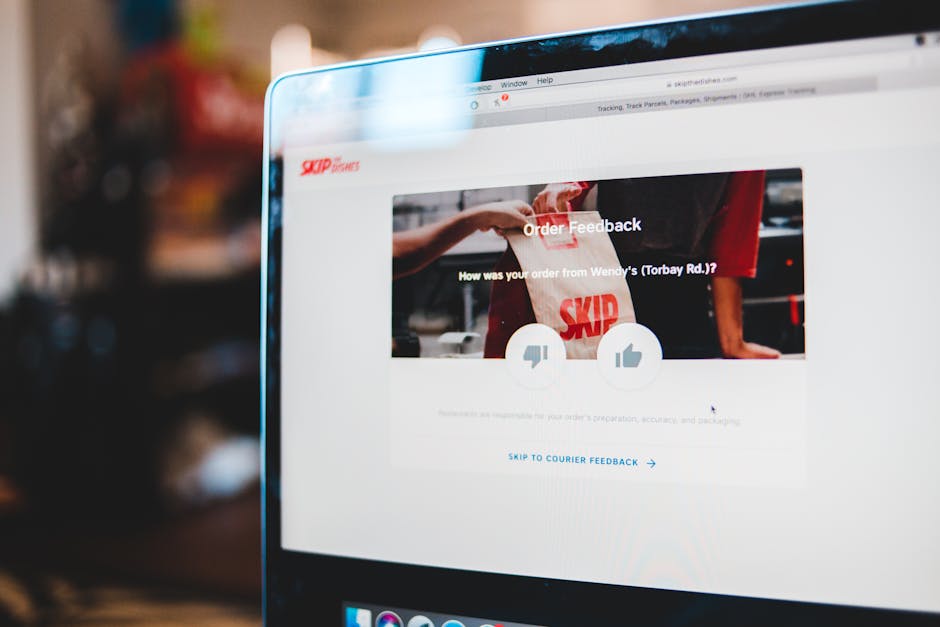
Negative reviews happen, even when you do everything right. Here’s how to respond like a pro:
- Respond fast: Even a simple thank you for the feedback within 1–2 hours can calm a tense situation.
- Be transparent, not defensive: Acknowledge the issue and explain what you’re doing to fix it.
- Take the conversation private: Invite the customer to email or call you to resolve specifics.
- Follow through: Actually deliver the promised fix or response, then close the loop publicly if appropriate.
- Document: Note any process failure so you can fix the underlying problem for next time.
A rigorously honest and fast approach often leads to customers updating a bad review, or becoming a brand advocate for your business.
Step 6: Make Asking for Reviews Part of Your Culture
The only way to drown out the occasional bad review is by building a steady flow of genuine, positive reviews. But we get it, asking can feel awkward. That’s why automation and scripts matter. Try:
- Setting a weekly reminder to email or text 3 happy clients with a thank you and direct review link
- Adding a review prompt to your receipts and email signatures
- Thanking reviewers by name and referencing their positive comments when you reply publicly
Make it a point to celebrate every new 5-star mention with your team!
Step 7: Analyze Trends and Improve Your Operations
Feedback is just data unless you act on it. Group customer feedback by issue category—service, delivery, product, communication. If you see patterns, fix them! For example, if several reviews mention slow response, build a faster protocol. If your ratings creep up after a tweak, note it. Share improvements on your website and social media. This transparency can turn a casual customer into a loyal supporter.
Practical Tools to Support Your Reputation Routine
You don’t need to invest in big-name platforms right away. Building your routine with these free or low-cost tools is often all you’ll need:
- Google Business Profile: For managing Google reviews and business info
- Google Alerts: For free, instant monitoring
- Facebook/Instagram: Built-in notifications for new messages and mentions
- Google Sheets: Simple way to track metrics and share with your team
As your operation grows, you can look into more robust solutions for scaling outreach and automating responses.
Sample Weekly Reputation Management Checklist
- Review and monitor: Scan alerts, reviews, and mentions from past 7 days
- Respond publicly: Address all new reviews following your response templates
- Request feedback: Send outreach to recent happy clients with direct links
- Document issues: Note complaints and improvement actions in a tracker
- Reflect as a team: Brief end-of-week standup, review wins and losses
This structure makes it less likely anything falls through the cracks and takes only a few minutes a day.
The Real Results You Can Expect
- Stronger review volume and higher average star ratings
- Less stress during complaints or crises
- Improved customer trust and lifetime value
- SEO benefits—active profiles and more reviews often mean better rankings
- Clarity for your team on roles and escalation steps
Within a month, you’ll not only see better visibility, but you’ll spend less time fighting fires and more time focusing on growth. If you want to dig deeper into how reputation and SEO work together, we covered several tactical approaches in this review strategy blog.
How to Start Your SOP This Week—No Overwhelm Required
Let’s be real: perfection isn’t required, consistency is. If you do nothing else today, do these three things:
- Google your business name and take screenshots of what comes up—this is your starting line.
- Update and claim your top review profiles (Google Business Profile, Yelp, Facebook)—make your info consistent.
- Write three response templates—one positive, one negative, one general thank you—and share with your team or save for yourself.
Run this routine next week. Tweak as needed. In just a month, you’ll see more reviews, calmer complaint resolution, and a stronger brand story—all without adding major hours to your already-packed schedule.

Your Reputation: Protect It, Promote It, Enjoy the Results
At Novah Media, we see the transformation firsthand: from businesses chasing down angry comments to ones consistently earning praise, reducing stress, and winning repeat sales simply because they built a habit around their reputation. None of this is theory—it’s practical, it’s tested, and it fits right in with running your shop, service, or practice.
If you’re ready for a step-by-step partner in this process—from SOP documentation to proactive review management to integrating your wider digital marketing—view the Novah Media website or get your free marketing audit to see opportunities you might have missed.
Your brand reputation is your most valuable asset. Let’s help it shine—every single week.